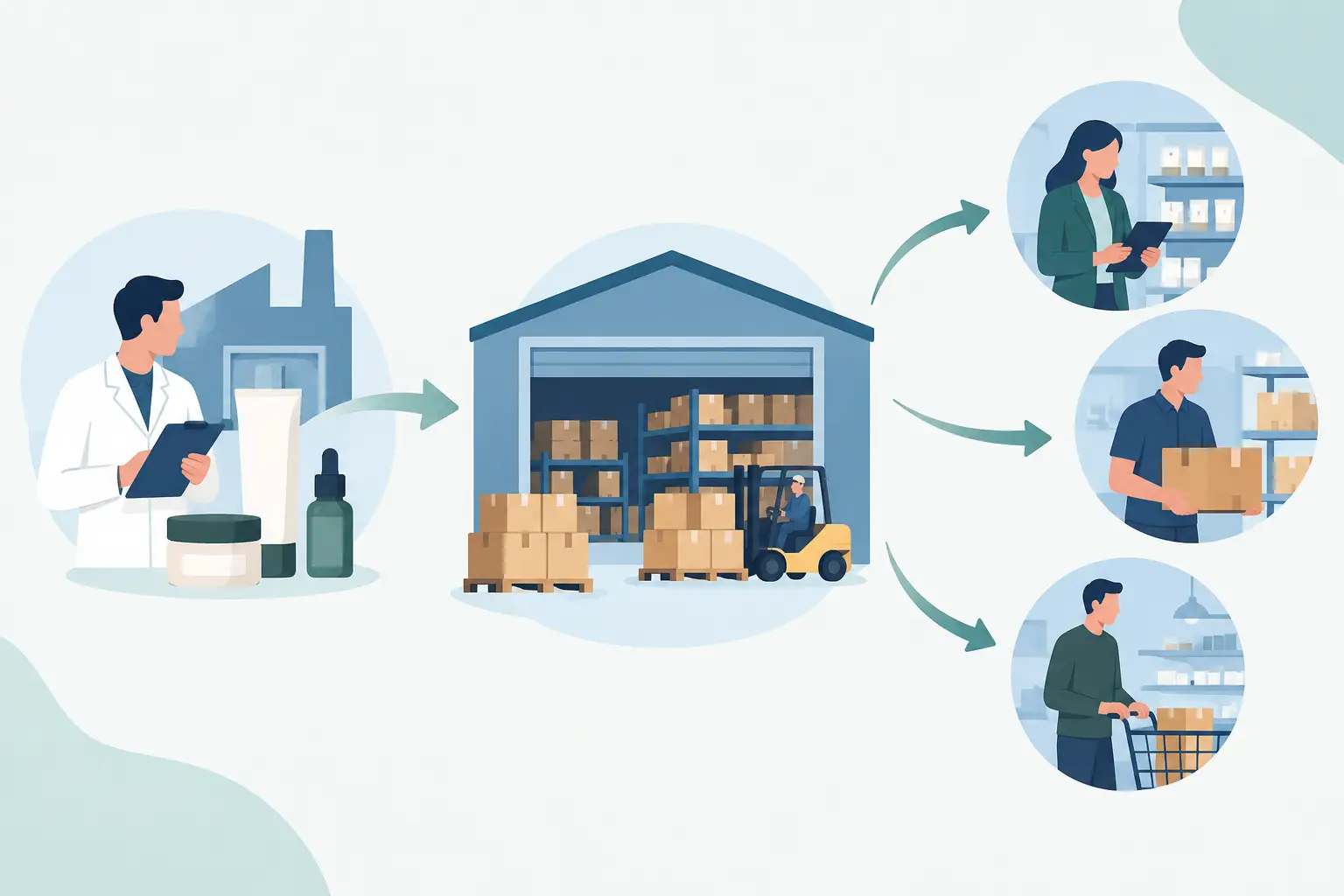

A wholesale buyer guide is most useful before a purchase order is issued, not after inventory has arrived. For retailers, distributors, importers, and regional traders, the right supplier does more than offer a low unit price. They help protect availability, simplify replenishment, support market expansion, and give your business a dependable base for growth.
Bulk sourcing decisions carry real commercial consequences. A missed delivery can leave shelves empty during a high-demand period. Inconsistent quality can affect customer confidence. A narrow product range can force procurement teams to manage too many suppliers. The objective is to build a supply relationship that delivers value over repeated orders, not simply secure the cheapest quote for one shipment.
Start This Wholesale Buyer Guide With Your Buying Plan
Before comparing suppliers, define what your business needs to buy and why. A clear buying plan prevents overstocking, helps you negotiate more effectively, and makes it easier for a supplier to recommend suitable products and order quantities.
Start with sales history, current stock levels, seasonal demand, and your expected sales channels. A neighborhood retailer may need fast-moving household goods in manageable case quantities. A distributor supplying multiple markets may need container-level volumes, export-ready documentation, and a broader range of brands. The purchasing approach should reflect the way you sell.
Group products by their role in your assortment. Core items are consistent sellers that require reliable replenishment. Seasonal products can produce stronger margins but need careful timing. Trial items allow you to test demand without committing too much working capital. This distinction helps determine where you need steady stock, where you can accept flexibility, and where minimum order quantities may be appropriate.
It is also wise to set target margins before sourcing. Calculate the landed cost, not only the supplier price. Landed cost can include freight, insurance, customs duties, local transport, warehousing, handling, and any currency conversion expense. A low ex-warehouse price is not always the best commercial choice if logistics costs or delays reduce the final margin.
What to Look for in a Wholesale Supplier
A reliable supplier should be evaluated across several practical areas: product range, stock reliability, price structure, quality controls, order handling, and market knowledge. These factors are connected. A supplier with a large catalog but inconsistent availability can create the same operational problems as a supplier with limited assortment.
Product breadth and category fit
A centralized source can reduce the time and cost involved in managing separate vendors for household goods, cleaning products, beauty items, kitchenware, stationery, tools, party supplies, and other everyday categories. For buyers serving independent retailers or diverse customer groups, assortment matters because it enables more complete orders and fewer fragmented shipments.
However, breadth should not replace relevance. Review whether the supplier carries products that suit your customer base, price point, local preferences, and retail format. Ask about established brands, private-label options, new arrivals, and items with proven demand in comparable markets. A wide catalog creates opportunity, but the products selected must still earn their place on the shelf.
Stock availability and replenishment discipline
Stock availability is often more valuable than a small saving on the unit price. A dependable supplier can advise on available quantities, expected replenishment dates, substitute products, and products that may be affected by seasonal demand. This visibility lets buyers plan promotions and reorder cycles with greater confidence.
Ask direct questions about stock status. Is inventory held locally? Are quantities allocated once an order is confirmed? How are backorders managed? What happens if a requested item is unavailable after payment or order processing? Clear answers indicate a supplier with established inventory and fulfillment processes.
Quality and product consistency
Wholesale buying is a long-term exercise in protecting your reputation. Product quality affects returns, customer satisfaction, repeat sales, and the confidence your own buyers place in you. Request detailed specifications where relevant, including materials, dimensions, packaging, country of origin, labeling, and product certifications.
For categories such as baby products, electrical accessories, beauty goods, and cleaning supplies, requirements can vary by destination market. Importers should confirm that products meet applicable local regulations before committing to volume. Do not assume that an item suitable for one market can be sold in another without changes to labeling, registration, or compliance documentation.
Pricing that can support your resale model
Competitive pricing should be transparent enough for buyers to calculate margins accurately. Confirm whether quoted prices are based on carton quantities, pallet quantities, container orders, or mixed-category purchases. Ask whether volume breaks apply and whether prices may change due to commodity costs, freight conditions, exchange rates, or supplier revisions.
The best arrangement is not always the lowest first quote. It may be a stable price structure, better stock access, flexible mixed orders, or favorable terms that improve cash flow. For recurring buyers, consistency can be more commercially useful than chasing small price differences across multiple suppliers.
Evaluate Terms, Logistics, and Export Readiness
Once product and pricing are suitable, examine how the supplier manages the transaction. This is especially important for cross-border buyers, where documentation and freight coordination can decide whether an order arrives on time and clears without unnecessary cost.
Confirm minimum order requirements, payment terms, lead times, packing standards, and the point at which ownership and transport responsibility transfer. Buyers should understand whether pricing is quoted ex-warehouse, delivered to port, or under another agreed shipping arrangement. Each option affects your control over freight, insurance, and final landed cost.
For export orders, ask whether the supplier can provide commercial invoices, packing lists, certificates of origin when required, and product information needed for customs clearance. An experienced trading partner should understand the difference between a domestic wholesale order and an export shipment. The documentation must match the destination, product category, and agreed commercial terms.
Logistics capability matters even when the supplier does not arrange final delivery. Proper carton labeling, safe palletization, accurate counts, and dispatch coordination reduce avoidable problems at the warehouse and port. If you are ordering multiple categories, ask how mixed loads are organized to protect fragile goods and make receiving easier.
Build a Supplier Relationship Before Scaling Orders
A supplier relationship should improve with each order. Begin with a focused purchase that represents your core requirements, then evaluate product sell-through, delivery accuracy, communication, and customer response. This approach is especially useful when entering a new category or market.
Once performance is proven, share your forecast and planned reorder schedule. Suppliers can often support better planning when they understand your volume expectations and priority categories. This can help with stock reservations, product recommendations, and more efficient order consolidation.
Communication should be direct and documented. Confirm product codes, quantities, pricing, delivery dates, and payment terms in writing. If substitutions are acceptable, define the conditions in advance. A clear order process prevents misunderstandings and protects both parties when demand or availability changes.
Fakhruddin General Trading supports this type of long-term sourcing approach through a broad wholesale portfolio, established regional trade relationships, and distribution experience built over more than six decades. For buyers managing varied product demand, working with an experienced Dubai-based trading partner can reduce sourcing complexity while supporting recurring volume orders.
Common Buying Mistakes That Reduce Margin
Many wholesale purchasing problems begin with assumptions. Buyers may order based on a catalog image without checking packaging details, commit to a large quantity before testing local demand, or compare prices without calculating freight and duties. These errors can turn an apparently profitable deal into slow-moving stock.
Another common mistake is buying too narrowly from too many vendors. Specialized suppliers have a place, particularly for technical or highly regulated items. But when everyday categories are split across numerous sources, procurement time, shipment costs, and administrative work can rise quickly. Consolidating suitable categories with a dependable wholesale partner can create meaningful operational savings.
Avoid relying on verbal commitments for critical details. Confirm availability, specifications, order quantities, and shipping arrangements before payment. For high-value or unfamiliar product lines, inspect samples or request additional product information. Due diligence is not a delay in the buying process. It is part of protecting the capital invested in inventory.
Make Every Bulk Order Easier to Repeat
A strong buying decision creates a repeatable process. Keep records of product performance, supplier lead times, actual landed costs, customer feedback, and any issues encountered during receiving. Over time, this information becomes more valuable than a single quotation because it shows which products and supplier relationships consistently support your business.
The most effective wholesale buyers balance price with availability, assortment, quality, and service. Choose suppliers that can meet current demand while giving your business room to add categories, serve new customers, and plan future orders with confidence. That is how bulk purchasing becomes a reliable engine for sustainable trade growth.