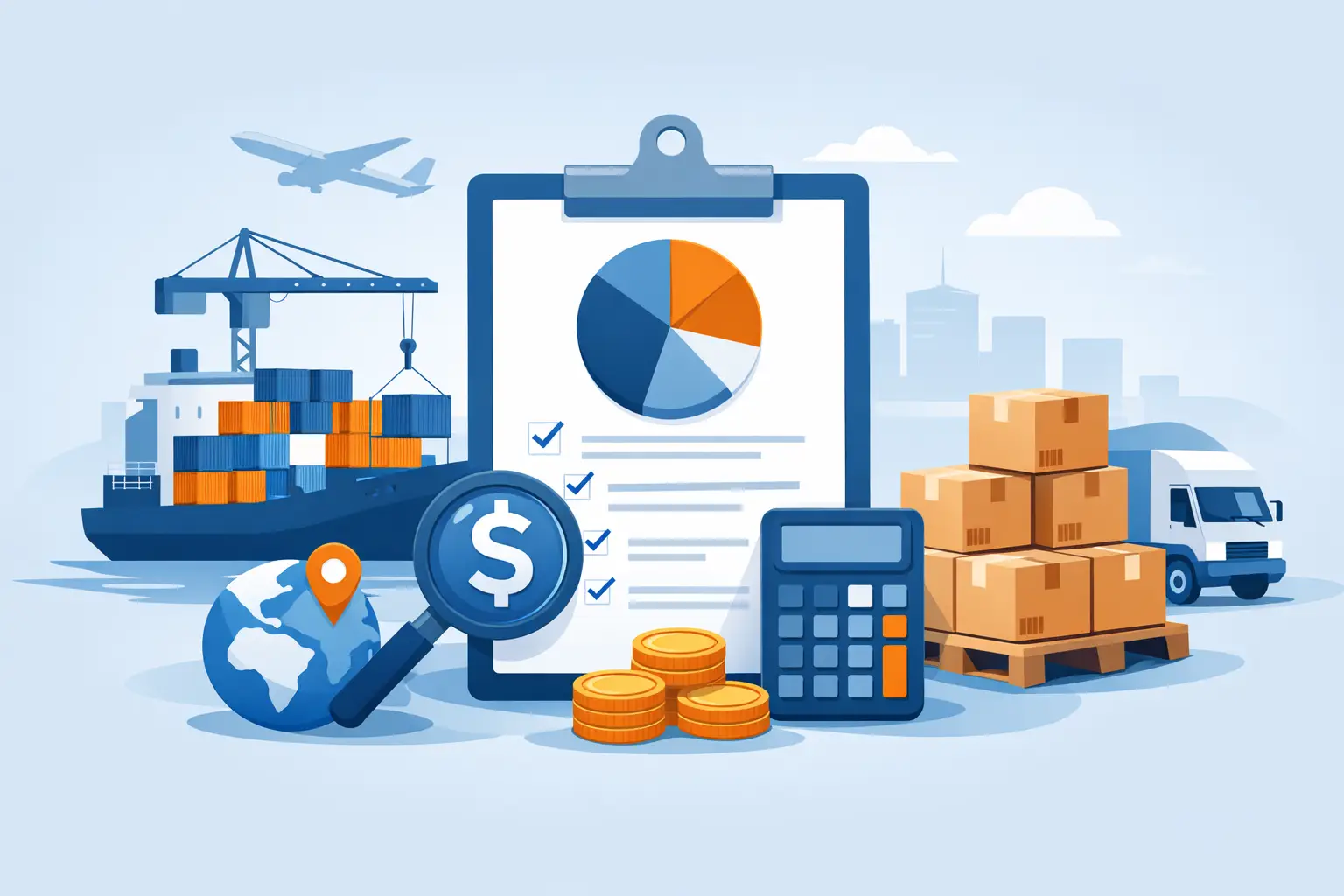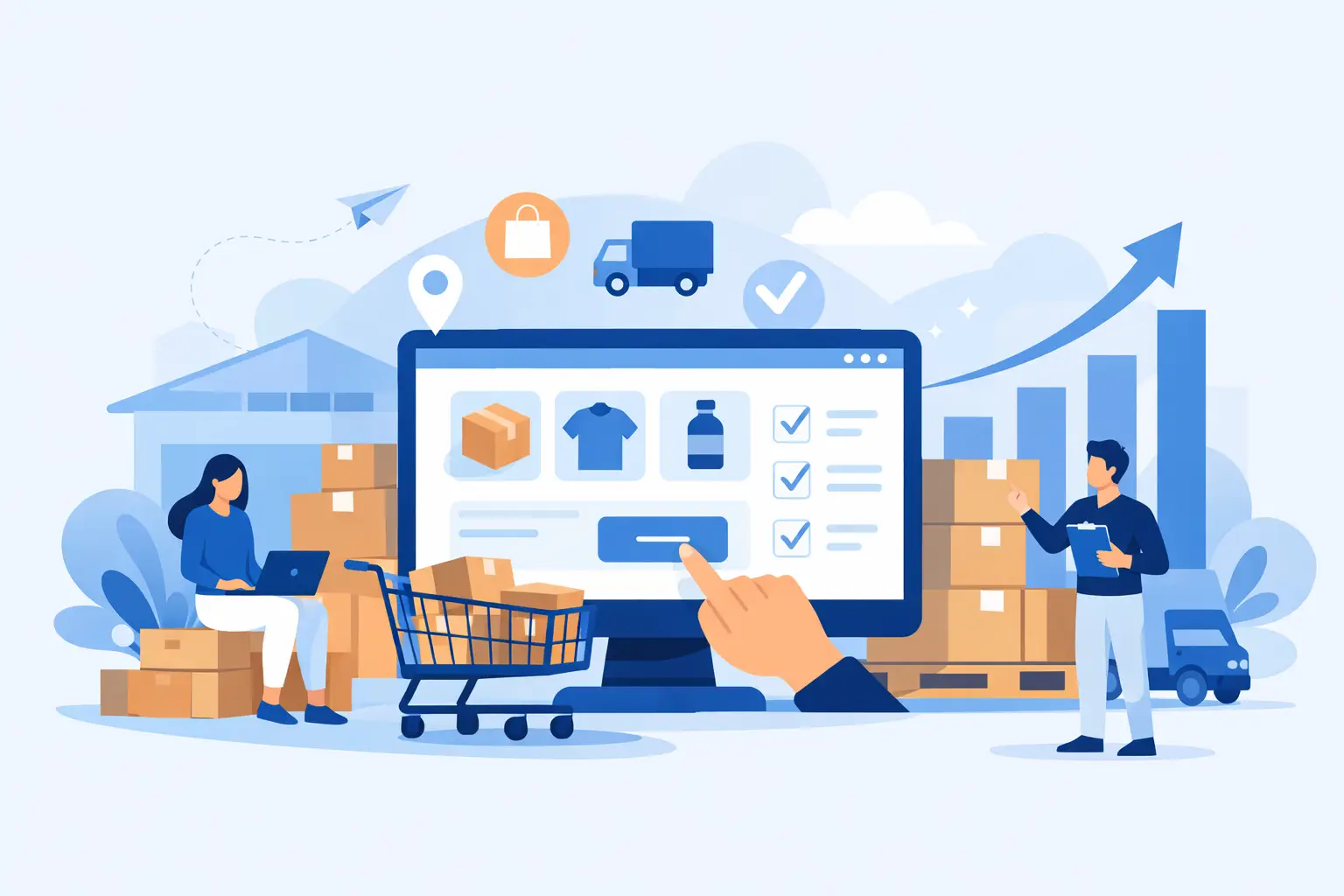

A buyer managing replenishment for several stores cannot afford to wait for scattered quotations, uncertain stock confirmations, or incomplete product information. An online wholesale ordering platform brings the purchasing process into one organized place, helping traders source more efficiently while maintaining the commercial control required for recurring volume orders.
For wholesalers, retailers, distributors, and importers, the value is not simply placing an order online. The real value is having dependable access to a broad assortment, clear product availability, competitive pricing, and a supplier capable of supporting growth across categories and markets.
What an Online Wholesale Ordering Platform Should Deliver
A wholesale platform should reflect the realities of B2B trade. Buyers need to assess products quickly, compare options across categories, plan order quantities, and return to reliable supply lines without restarting the sourcing process each time. A consumer-style shopping experience alone is not enough when a business is purchasing for resale, distribution, or regional export.
The strongest platforms make it easier to work from a centralized catalog. This matters when a buyer needs household goods alongside cleaning products, kitchenware, stationery, beauty items, tools, or seasonal party supplies. Consolidating these purchases with one established supplier can reduce administrative effort, simplify shipment planning, and help maintain a more consistent product mix in stores or distribution channels.
Reliable information is equally important. Product images, specifications, packaging details, unit quantities, and availability all affect purchasing decisions. When this information is accessible before an order is finalized, procurement teams can make faster decisions with fewer follow-up calls and fewer avoidable errors.
Why Centralized Wholesale Ordering Supports Better Margins
Margins are shaped long before merchandise reaches the shelf. They are affected by product cost, order frequency, freight planning, stock turnover, and the time a team spends managing suppliers. An online ordering system can improve each of these areas when it is supported by real inventory depth and experienced wholesale operations.
A broad catalog allows buyers to build more complete orders. Rather than purchasing separate categories from multiple sources, a retailer may be able to combine complementary merchandise in one order. This can support more efficient purchasing cycles and create opportunities to test new lines without changing suppliers.
Competitive wholesale pricing also has greater value when stock is consistent. A low price does not help a business if the product cannot be reordered when demand rises. For traders building customer relationships of their own, supply continuity is often more valuable than a short-term deal. Reliable replenishment helps retailers protect shelf availability and helps distributors serve their downstream customers with confidence.
There is a practical balance to consider. Buying larger volumes can improve unit economics, but excessive inventory can tie up cash and create risk in slow-moving categories. A dependable online wholesale ordering platform helps buyers make more measured decisions by giving them repeat access to products they already know perform well.
Features That Matter to Wholesale Buyers
The platform itself should make commercial purchasing easier, not add another system for a team to manage. Before committing to a supplier, buyers should consider whether the digital ordering experience supports their daily requirements.
Product Breadth With Clear Category Navigation
A large assortment is useful only when buyers can find relevant products quickly. Well-organized categories, product search, and detailed listings reduce the time required to build an order. This is particularly valuable for businesses that supply multiple customer segments, from neighborhood retailers to specialized stores and regional distributors.
Category breadth also supports cross-selling. A trader purchasing baby products may identify related household or personal care lines that suit the same customer base. A retailer sourcing kitchenware may find cleaning accessories or storage products that strengthen its average basket value. The objective is not to order more for its own sake, but to source merchandise that fits a clear resale plan.
Availability That Can Support Recurring Orders
One-time availability is not the same as dependable supply. Buyers should look for a supplier with established sourcing relationships, inventory capability, and a track record in distribution. These factors are especially important for fast-moving everyday products where a missed replenishment can mean lost sales.
For seasonal, promotional, or trend-led items, availability may naturally change more often. In those cases, a broad portfolio becomes even more useful because it gives buyers alternatives when a specific item is no longer available. The supplier should be able to offer practical replacement options without forcing the buyer to begin a new sourcing search.
Efficient Reordering for Proven Lines
Wholesale purchasing becomes more effective over time when buyers can return to successful items with minimal effort. Reordering should be straightforward, whether the business is restocking a core range or increasing volumes before a busy period.
This capability supports better demand planning. A buyer can review what moved well, adjust quantities based on local demand, and keep proven lines available. It also gives procurement teams more time to focus on assortment decisions, customer requirements, and new market opportunities.
Support Beyond the Checkout Process
Digital ordering should not remove the relationship from wholesale trade. Larger or more complex orders may require guidance on assortment, packaging, export considerations, or product alternatives. A capable supplier combines online convenience with knowledgeable commercial support.
That is particularly relevant for importers and distributors serving diverse territories. Product preferences, price points, and compliance expectations can vary by market. A supplier with international trade experience can help buyers make choices that are commercially suitable for their intended destination.
Choosing a Platform That Fits Your Business Model
Not every buyer needs the same ordering approach. A retailer with a limited number of locations may prioritize speed, mixed-category selection, and frequent replenishment. A distributor may focus more heavily on volume pricing, container planning, export coordination, and long-term supply capacity.
Start with the categories that drive your business. Assess whether the supplier offers enough depth in those lines, rather than being distracted by a catalog that is broad but shallow. Then consider complementary products that can help increase order value or serve additional customer needs.
Next, review the supplier behind the platform. Wholesale purchasing depends on more than a digital catalog. Experience, warehousing capability, brand relationships, manufacturing strength, and distribution reach all influence whether a supplier can deliver consistently over time. A platform is only as dependable as the trading operation supporting it.
For businesses serving international markets, export experience should be part of the decision. Documentation, packing requirements, freight coordination, and product suitability can affect delivery timelines and landed cost. Buyers should work with a supplier that understands the operational details of cross-border trade, not only the initial sale.
Building a More Disciplined Ordering Process
A platform can improve purchasing, but the buyer still needs a clear process. Maintain a core list of proven products, then review new lines against known customer demand and expected margins. This avoids building orders around novelty alone.
It is also useful to separate replenishment items from test items. Core stock should be ordered according to sales history and lead times. New products can be purchased in controlled quantities, then increased only after they demonstrate demand. This approach protects working capital while allowing the assortment to evolve.
Regular order reviews can reveal useful patterns. If a particular category requires frequent top-ups, it may deserve a larger planned order. If an item repeatedly underperforms, its space and budget may be better used elsewhere. The goal is not merely to buy efficiently, but to build an inventory position that supports profitable resale.
Fakhruddin General Trading applies this approach through its wholesale offering, combining a wide product portfolio with established sourcing, distribution experience, and access to products suited to a range of retail and trade requirements. For buyers, the advantage is a more centralized route to everyday merchandise and growth-oriented category expansion.
A Platform Should Strengthen the Supplier Relationship
Wholesale trade has always depended on trust. Digital tools can make ordering faster, but they do not replace the need for consistent quality, dependable fulfillment, and suppliers who understand the buyer’s commercial objectives. The best online wholesale ordering platform makes routine purchasing easier while giving businesses a stronger foundation for repeat trade.
Choose a supplier that can support the order you need now and the broader assortment, replenishment discipline, and market reach your business will require as demand grows.