
A shipment can arrive on time, clear customs correctly, and still fail to reach the customers it was intended for. That is why understanding distributor versus importer roles matters before selecting a trade partner. While one company may perform both functions, importing goods and building a dependable route to market are distinct commercial responsibilities.
For wholesalers, retailers, brand owners, and regional traders, the right structure affects landed cost, cash flow, compliance exposure, stock availability, and long-term sales growth. The decision is not simply about who can buy products abroad. It is about who can move merchandise through the market efficiently and support recurring demand.
What an Importer Does
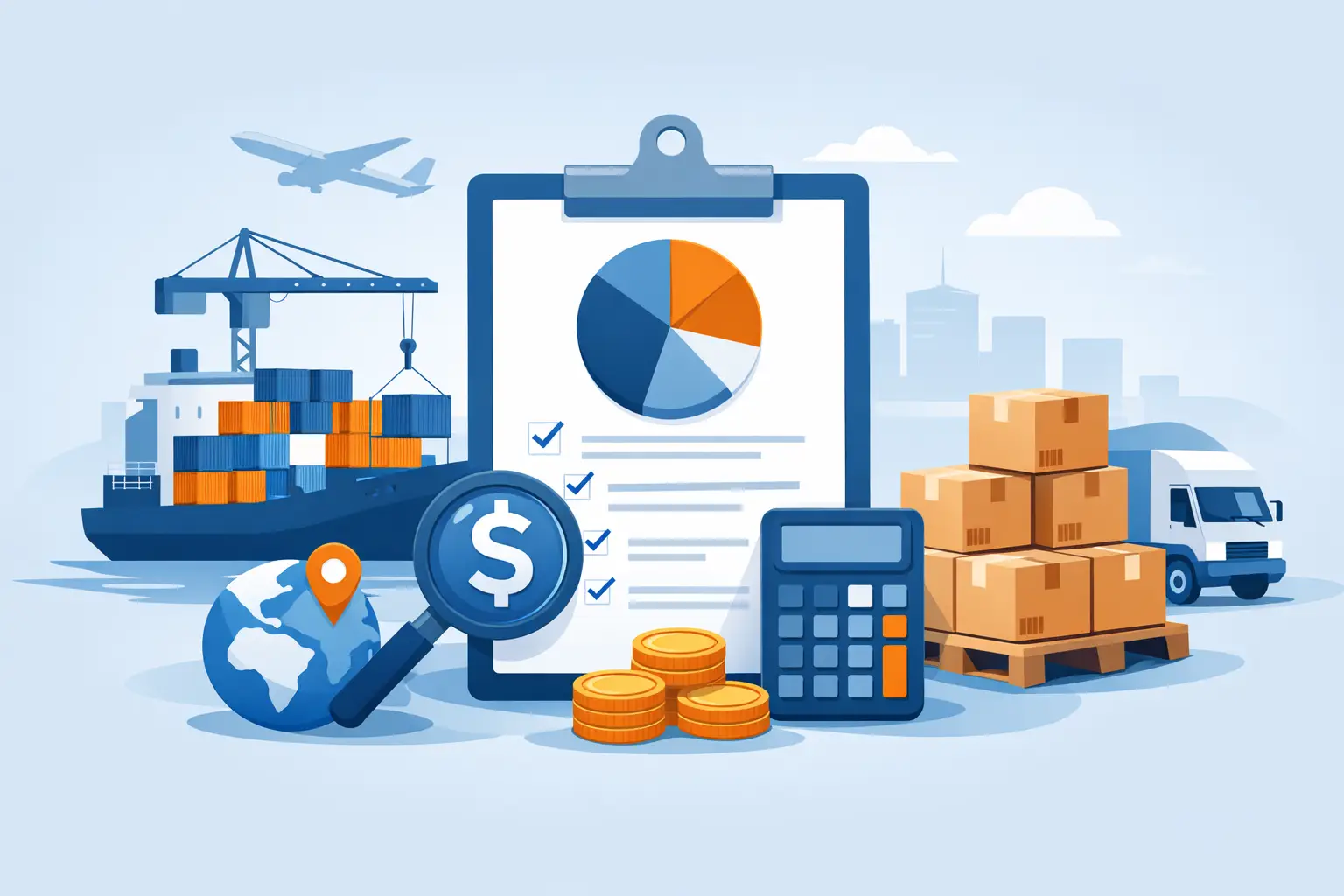
An importer purchases goods from another country and brings them legally into the destination market. The importer is commonly the importer of record, meaning it accepts responsibility for customs declarations, duties, taxes, permits, classifications, and documentation required at the border.
In practical terms, the importer manages the transition from an overseas supplier to goods that can be sold locally. This may involve negotiating factory pricing, arranging freight, securing cargo insurance, preparing commercial invoices and packing lists, verifying product labels, and coordinating customs clearance. For regulated products, the importer may also need to meet national standards for safety, ingredients, packaging, or certification.
The importer’s commercial focus is usually procurement and legal entry. Its value comes from sourcing capability, knowledge of trade procedures, purchasing power, and the ability to manage the risks that come with international movement of goods. A capable importer can reduce sourcing complexity for a buyer that does not have overseas supplier relationships or an in-house import department.
However, importation alone does not guarantee market coverage. An importer may clear a container and sell it to a small number of wholesale customers without operating a field sales team, retail delivery network, or merchandising program. That is where the distributor role becomes more significant.
What a Distributor Does
A distributor takes products to the market through an established customer network. It buys from a manufacturer, importer, brand owner, or master supplier, then resells to wholesalers, retailers, e-commerce sellers, institutions, or other business customers.
The distributor’s central responsibility is availability. It holds inventory, receives orders, manages warehousing, extends credit where appropriate, delivers to customers, and maintains relationships that generate repeat purchasing. For branded goods, a distributor may also support sales forecasting, promotions, product launches, in-store presentation, and market feedback.
A strong distributor understands which items sell in specific territories, channels, and price segments. It can advise whether a value household product belongs in independent retail, whether a premium beauty line needs specialist placement, or whether a seasonal party range requires early stock positioning. This local market intelligence is often as valuable as the physical delivery service.
Distribution also carries risk. The distributor invests in inventory before it has sold through, manages damaged or slow-moving stock, and must collect payment from many customers. Its margin reflects the cost of warehousing, sales activity, credit management, transport, and the market reach it provides.
Distributor Versus Importer Roles: The Core Difference
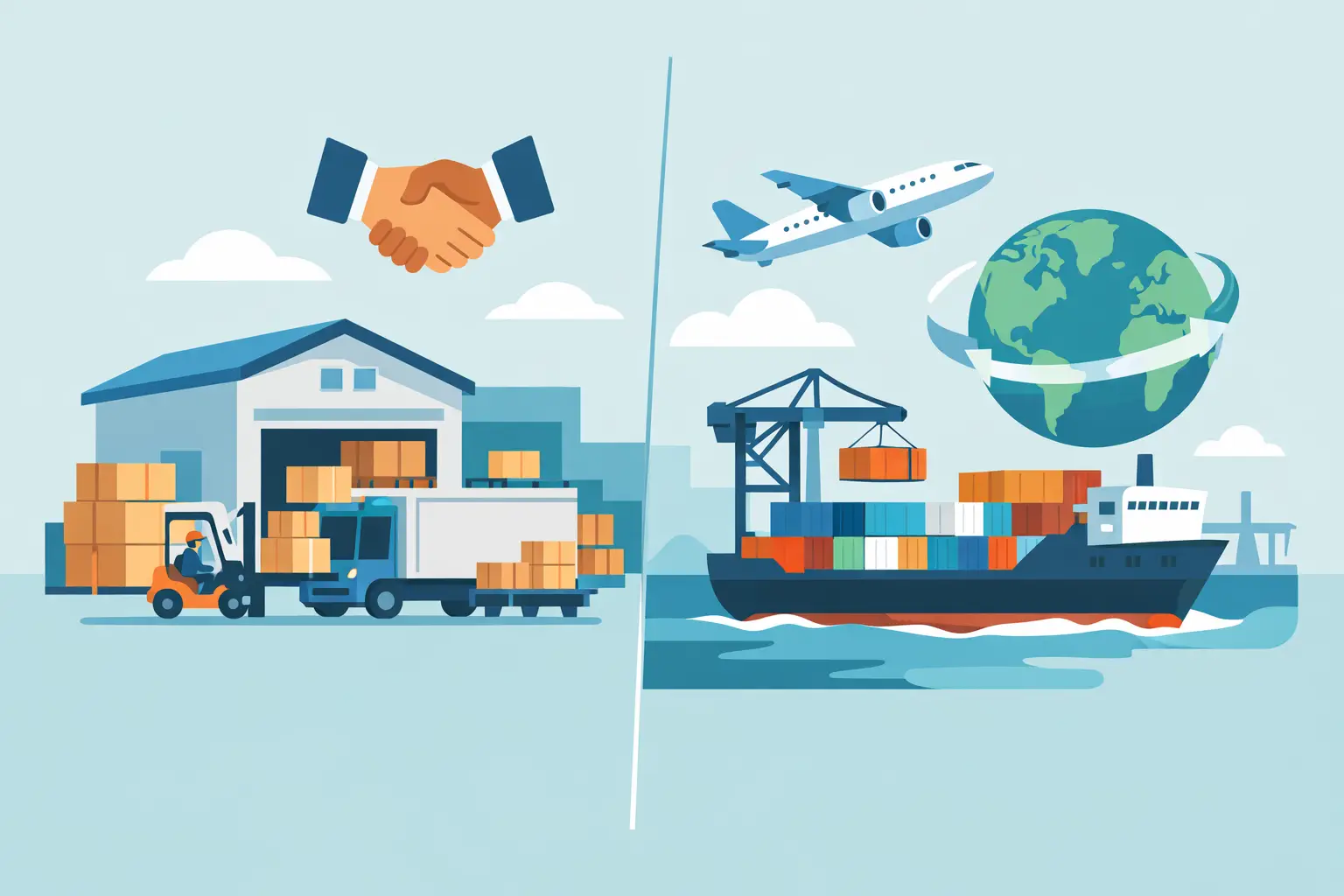
The simplest distinction is this: an importer brings goods into a country, while a distributor moves goods through the market after entry. The importer solves the cross-border transaction. The distributor solves the route-to-market challenge.
That distinction can become less clear in larger trading operations. A company may import products under its own name, store them in its warehouse, and distribute them across multiple channels. In this model, the business combines import compliance with sales, fulfillment, and market development. This can be efficient because there are fewer handoffs between the manufacturer and the customer.
Still, the functions should be evaluated separately. A partner with excellent customs capability may lack retailer relationships. A company with a wide delivery network may prefer to buy only from local importers rather than manage foreign currency, shipping, and customs requirements. The best choice depends on where expertise, working capital, and operational responsibility should sit.
How Costs and Risk Differ
Importers are exposed to risks that begin before the goods arrive. Currency movements, supplier reliability, freight increases, incorrect tariff classification, port delays, and changing import requirements can all affect the final landed cost. If documentation is incomplete or the product does not meet local standards, the shipment may be delayed, re-exported, or subject to penalties.
Distributors face a different set of operating pressures. Their profitability depends on inventory turnover, customer payment behavior, warehouse control, transport costs, and the accuracy of demand forecasts. A distributor that overestimates demand can tie up capital in stock. One that underestimates demand can lose customers because key products are unavailable.
For brands, this difference influences contract terms. An importer may request authority to source and clear goods but offer limited marketing support. A distributor may ask for territory protection, promotional budgets, or credit terms because it is committing resources to develop the market. Neither arrangement is automatically better. The commercial model must match the product category and growth plan.
When One Partner Should Handle Both Functions
Using one import-distribution partner can be practical when speed, stock control, and accountability are priorities. It gives the brand or supplier a single point of contact for purchasing, import clearance, warehousing, order fulfillment, and customer service. It may also improve forecasting because the company can see both incoming shipments and outgoing sales.
This model is especially useful for broad, fast-moving product portfolios. Categories such as household goods, cleaning products, kitchenware, stationery, baby products, tools, and seasonal merchandise require consistent stock replenishment across many customer types. A combined operator can consolidate orders, manage assortments, and distribute several product lines from one warehouse infrastructure.
Fakhruddin General Trading operates within this type of commercial model, combining wholesale sourcing, import-export experience, product breadth, and established distribution capability for business customers across regional and international markets. For buyers, working with a centralized supplier can reduce the administrative burden of dealing with multiple factories and separate logistics providers.
The combined model is not always necessary. A brand entering a new market with a narrow product range may benefit from appointing a specialist importer and a separate distributor with deep access to a specific channel. For example, a niche premium product may need a distributor that already serves the right retailers, even if another company handles the import process.
Questions to Ask Before Choosing a Partner
Before appointing an importer, determine whether it has direct experience with your product category, the required registrations, and the relevant destination-market rules. Ask how it calculates landed cost, who carries responsibility for duties and inspections, and how it manages shipment delays. Clear answers protect both pricing and supply continuity.
Before appointing a distributor, look beyond the size of its warehouse. Ask which customer segments it serves, how often it delivers, whether it maintains stock reports, and how it handles credit and collections. A distribution partner should be able to explain its active customer base, sales coverage, inventory practices, and plan for introducing or expanding your range.
For either role, review commercial discipline. Reliable partners provide accurate documentation, realistic forecasts, agreed payment terms, and transparent communication when market conditions change. Long-term trade relationships depend on this consistency far more than on a low opening price.
Build the Structure Around Your Market Plan
A clear role definition prevents common disputes later. If the importer is responsible for compliance, the agreement should state who approves labels, product specifications, and documents before shipment. If the distributor is responsible for market development, define territories, customer channels, minimum purchase expectations, pricing guidelines, and reporting requirements.
It is also wise to plan for growth. A partner that can manage a first shipment may not have the capacity to support frequent replenishment, additional product categories, or expansion into neighboring markets. Review warehouse capacity, transport reach, supplier relationships, and the ability to maintain service during high-demand periods.
The most productive trade arrangements give every party a clear commercial role: suppliers manufacture or source effectively, importers manage compliant market entry, and distributors keep products visible, available, and moving. Choose the model that gives your customers dependable supply while giving your business the control and market reach needed to grow with confidence.