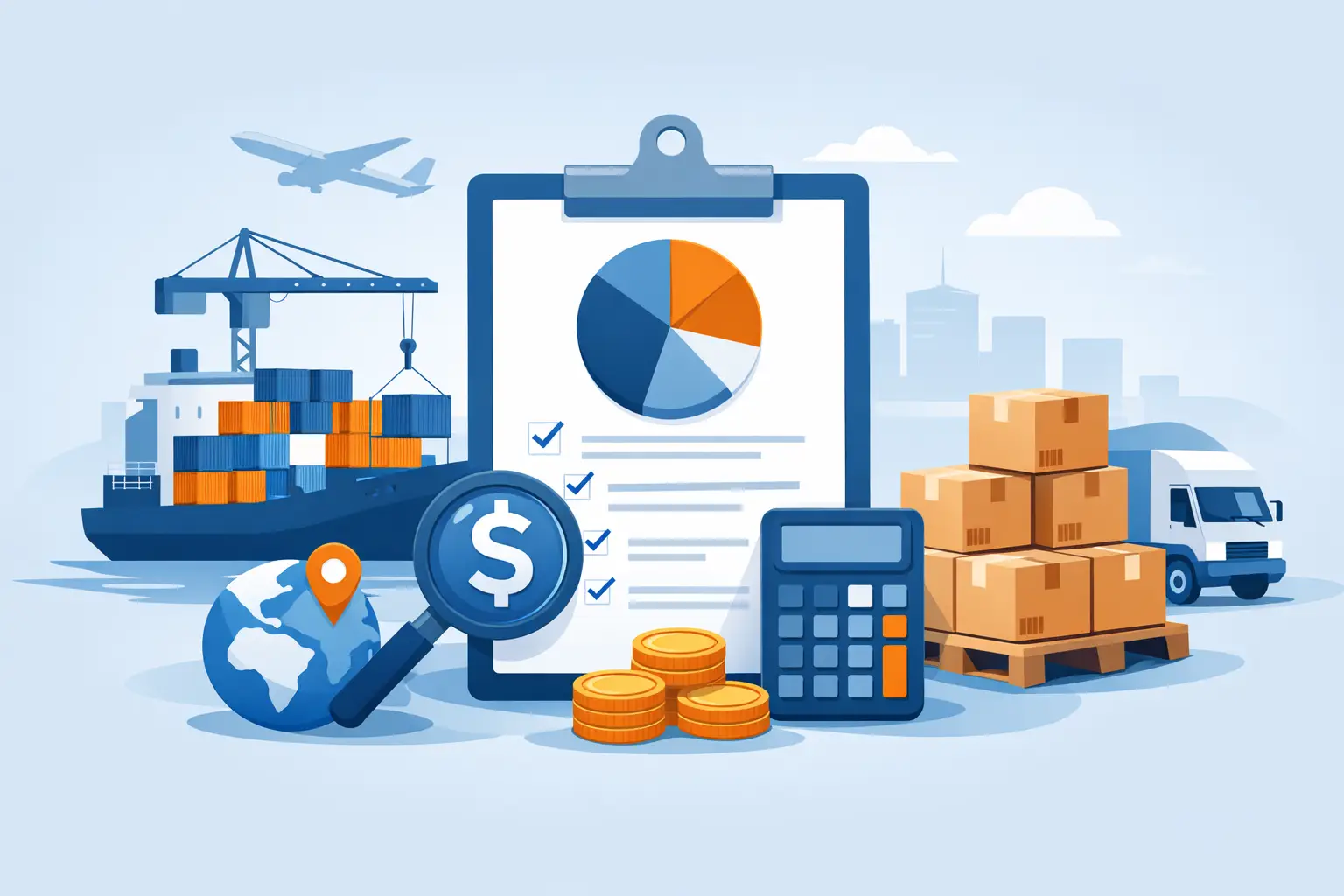

A retailer with a full shelf and a distributor with dependable stock usually have one thing in common: a supplier that has already done the difficult work of sourcing, importing, consolidating, and moving products across markets. So, what is a trading company? It is a business that buys goods from manufacturers or suppliers and sells them to other businesses, often across regions or international borders.
For wholesalers, retailers, importers, and distributors, a trading company is more than a middle layer in the supply chain. A capable trading partner reduces the number of vendors to manage, provides access to a broader product range, and helps maintain inventory flow at commercially viable prices. Its value is measured not only by what it sells, but by its ability to deliver consistent supply, accurate documentation, market knowledge, and dependable service over time.
What Is a Trading Company?
A trading company purchases products in volume and resells them to businesses that need merchandise for further distribution, retail, or commercial use. It may source locally, import from overseas manufacturers, export to international buyers, or combine all three activities.
Unlike a retailer, which sells primarily to the end customer, a trading company generally serves the business-to-business market. Its customers may include independent stores, supermarket operators, wholesale markets, online sellers, regional distributors, hospitality suppliers, and import-export businesses.
The exact role depends on the company’s model. Some trading companies specialize in one category, such as tools, beauty products, or kitchenware. Others operate as broad-line suppliers, carrying diverse product categories under one account. This wider model can be particularly valuable for buyers looking to consolidate purchasing and reduce the administrative cost of dealing with multiple suppliers.
How a Trading Company Works
The work begins well before an order is placed. A trading company identifies products that fit market demand, evaluates manufacturers, negotiates commercial terms, checks quality expectations, and plans how goods will move from origin to destination. It then makes those products available to its business customers through wholesale sales, distribution networks, export channels, or online ordering systems.
In a typical transaction, the trading company buys in large quantities from a manufacturer or supplier. Because it purchases at volume and maintains established commercial relationships, it may obtain pricing and terms that smaller buyers cannot secure on their own. The company then holds inventory, consolidates shipments, or arranges direct delivery to customers depending on the order size and destination.
For international trade, the company also manages practical requirements that can create delays for inexperienced buyers. These can include product documentation, packing standards, customs declarations, shipping coordination, country-specific import requirements, and payment terms. The level of support varies, but experienced trading houses understand that a shipment is only successful when it arrives in saleable condition and within the customer’s required timeframe.
The Difference Between a Trading Company and a Manufacturer
A manufacturer makes products. A trading company primarily sources, buys, sells, and distributes products. The distinction is useful, but it is not always absolute.
Many established trading companies work closely with manufacturers to develop private-label items, exclusive lines, or market-specific packaging. Some also operate manufacturing capabilities of their own. This creates a hybrid model: the company can supply external brands, distribute its in-house brands, and source products from a wide network of production partners.
For a buyer, the benefit of this model is choice. A distributor may need recognizable brands for one customer segment, competitively priced private-label products for another, and dependable everyday merchandise across both. A trading company with multiple sourcing options can support these needs through one commercial relationship.
Why Businesses Buy Through Trading Companies
The main reason is efficiency. Working directly with several factories can appear cost-effective, but it requires significant time, product knowledge, quality control, logistics coordination, and purchasing volume. For many wholesalers and retailers, the savings disappear when delays, minimum order quantities, inconsistent quality, and freight complexity are considered.
A reliable trading company simplifies the buying process by offering a consolidated assortment. Instead of sourcing baby products from one supplier, cleaning items from another, party supplies from a third, and luggage from a fourth, a buyer can build a more complete order from a single source. This can lower coordination costs and make replenishment easier.
Trading companies also help customers respond to changing demand. Seasonal products, promotional lines, and fast-moving household goods can require quick purchasing decisions. A supplier with available stock and a broad portfolio gives buyers more flexibility than a factory producing only one narrow product line.
Price matters, but the lowest unit price is not always the best commercial result. Buyers should consider freight, customs costs, damaged goods, stock availability, order consolidation, payment terms, and the risk of delayed replenishment. The right supplier supports total buying value, not just an attractive quotation.
What Services Can a Trading Company Provide?
The service offering differs by company, market, and product category. At its strongest, a trading company acts as a commercial bridge between product supply and market demand. It can provide wholesale merchandise, import-export coordination, distribution support, inventory availability, brand representation, and private-label sourcing.
For a regional distributor, this may mean receiving mixed-category shipments ready for onward delivery to local retailers. For an importer, it may mean access to export-ready goods with the right documents and packaging. For a store owner, it may mean buying proven product lines in practical wholesale quantities without managing direct factory relationships.
A company with a long operating history often brings another important advantage: market intelligence. It understands which categories move in particular regions, which product specifications customers expect, and how purchasing patterns differ between markets. This knowledge does not replace a buyer’s own research, but it can improve assortment decisions and reduce avoidable purchasing mistakes.
What to Look for in a Trading Partner
Selecting a trading company should be treated as a long-term commercial decision. The supplier will influence your product availability, pricing consistency, delivery performance, and reputation with your own customers.
Start with product breadth and depth. A large catalog is useful only if the supplier can maintain dependable availability in the categories that matter to your business. Ask whether stock is held regularly, how replenishment is planned, and whether alternatives are available when a particular line is unavailable.
Then assess commercial capability. A credible partner should be clear about minimum order quantities, lead times, payment terms, export procedures, and pricing structure. For international orders, confirm how shipping arrangements, customs documents, packing lists, and product compliance are handled. Clear communication at this stage prevents costly assumptions later.
Reputation is equally important. Long-standing relationships with manufacturers, customers, and logistics partners often indicate that a company has developed reliable operating systems. Years in business alone are not a guarantee, but a proven history of serving repeat wholesale customers is a meaningful sign of stability.
Finally, look for alignment with your growth plans. A small retailer may need flexible mixed orders and frequent replenishment. A distributor may require container-scale purchasing, export support, and category expansion. The best trading partner is one that can meet current requirements while having the scale to support the next stage of your business.
Trading Companies in Dubai and Global Trade
Dubai has become a major trading center because it connects suppliers and buyers across the Middle East, Africa, Asia, and Europe. Its logistics infrastructure, port access, commercial networks, and international business environment make it a practical base for companies handling high-volume imports, exports, and regional distribution.
For buyers operating across multiple markets, a Dubai-based trading company can offer geographic advantages. Goods can be consolidated from different sources, prepared for export, and shipped to destination markets through established freight channels. This is especially useful when buyers need varied consumer goods rather than a single-product shipment.
Fakhruddin General Trading reflects this broad trading-house model through a portfolio that spans household goods, beauty products, kitchenware, stationery, tools, party supplies, and other everyday categories. For customers purchasing at volume, the practical advantage is access to a centralized source supported by decades of trade experience and regional distribution reach.
A Trading Company Is Built on Reliability
A trading company earns its place in the supply chain by making commerce more predictable. It connects manufacturers with businesses that need the right products, in the right quantities, with realistic pricing and dependable delivery arrangements.
When evaluating a supplier, focus on the relationship behind the catalog. Product range may open the conversation, but consistent stock, clear commercial terms, responsive service, and the ability to support repeat orders are what help a business keep growing long after the first shipment arrives.