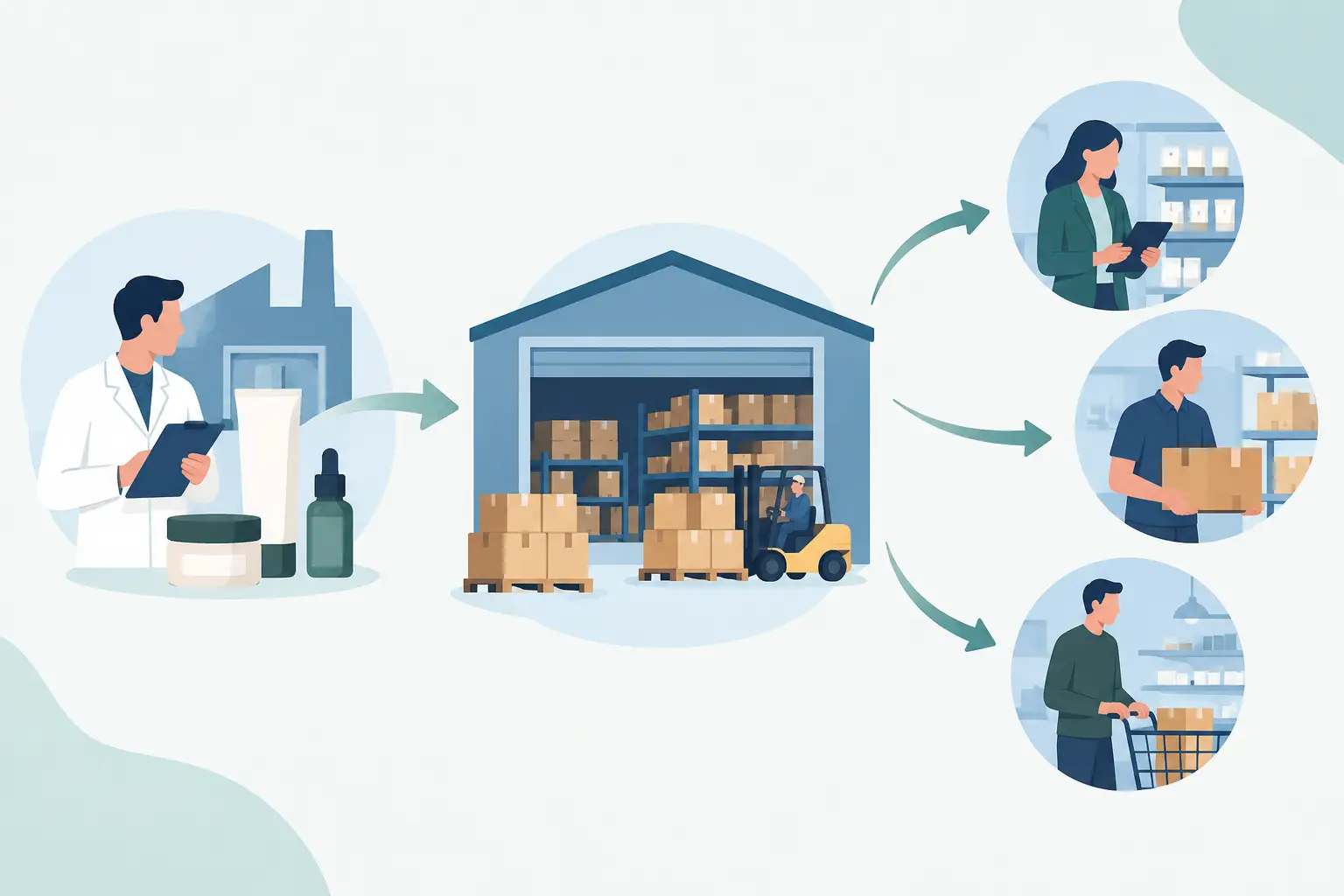

A low unit price can quickly lose its value when goods arrive late, documentation is incomplete, or product quality differs from the approved sample. Knowing how to find reliable wholesale exporters is therefore not simply a sourcing task. It is a commercial decision that affects your inventory continuity, customer reputation, cash flow, and ability to grow in new markets.
For wholesalers, retailers, distributors, and importers, the right exporter should provide more than merchandise. They should offer clear communication, dependable stock planning, consistent quality control, and the operational capability to deliver across borders. The strongest supplier relationships are built on verified performance, not attractive quotations alone.
Start With Export Capability, Not Product Price
A supplier may offer the products you need and still be unprepared to export them professionally. Before comparing prices, establish whether the company has an active and proven export operation. An experienced wholesale exporter understands commercial invoices, packing lists, certificates of origin, product labeling requirements, customs procedures, and the shipping terms appropriate for the destination market.
Ask where the exporter currently ships and how frequently. A company that regularly serves markets similar to yours is more likely to understand the practical requirements involved, from carton markings to pallet configuration and documentation standards. Export experience also matters when a shipment faces an unexpected customs query or transport delay. A capable exporter can respond with the required records and coordinate with freight partners without leaving the buyer to resolve the issue alone.
Dubai remains a major trading center because it connects suppliers, buyers, ports, and re-export markets across the Middle East, Africa, Asia, and Europe. However, location by itself is not proof of reliability. Look for a company with established warehousing, documented export processes, and a record of serving recurring business customers.
Verify the Company Behind the Quotation
A professional quotation is useful, but it should be the start of due diligence rather than the end of it. Confirm the exporter’s legal business identity, physical operating address, years in business, and the categories they are authorized and equipped to supply. Long-standing companies generally have deeper supplier relationships and more stable operating procedures, although every order should still be assessed on its own terms.
Request core business documentation before placing a significant order. This typically includes trade registration details, tax or VAT information where applicable, bank details in the company name, and export references. For branded goods, ask whether the exporter is an authorized distributor, owner of the brand, or a trading source. This distinction affects product authenticity, warranty expectations, and the continuity of supply.
References are particularly valuable when they come from customers that purchase regularly and operate in comparable markets. Rather than asking only whether the exporter is “good,” ask practical questions: Were deliveries made on schedule? Did the received goods match the order? How were shortages or claims handled? Was communication clear before and after shipment?
Assess Product Quality and Assortment Control
Reliable wholesale exporters protect consistency at the product level. This is especially important for mixed-category orders covering household goods, beauty items, baby products, tools, stationery, cleaning supplies, or seasonal merchandise. Each category can involve different packaging, regulations, shelf-life considerations, and customer expectations.
Begin with detailed product specifications. Request product images, dimensions, materials, carton quantities, country of origin, available colors or variants, and applicable certifications. If you are ordering consumer goods, confirm barcode availability, retail packaging quality, and whether labeling can meet the requirements of your market. For products with a shelf life, obtain production and expiry details before dispatch.
Samples are a sensible investment for new suppliers, high-volume lines, and private-label opportunities. A sample should be evaluated against a written specification, not just viewed casually. Check functionality, finish, packaging strength, labeling, and whether the product is commercially suitable for your customer base. If the exporter cannot provide clear specifications or avoids sample requests, treat that as a warning sign.
Assortment depth is also a practical advantage. Working with one exporter that can supply multiple compatible categories may reduce administrative effort, consolidate freight, and improve purchasing efficiency. The trade-off is that a broad portfolio should never replace category-level quality checks. A one-stop wholesale source must still demonstrate control over each product line it offers.
Compare Pricing on a Like-for-Like Basis
Competitive pricing matters, but the lowest quote is not always the lowest landed cost. To compare exporters accurately, make sure each quotation covers the same product specification, order quantity, packaging, delivery term, and payment condition. A small difference in carton quantity, material grade, or shipping responsibility can make two prices impossible to compare fairly.
Clarify the Incoterm used in the quotation, such as EXW, FOB, CFR, or CIF. Each term determines where the exporter’s responsibility ends and which costs are carried by the buyer. For example, a low EXW price may require you to manage collection, export clearance, freight, insurance, and destination handling. A CIF offer may be easier to budget for, but you should still understand what charges may arise at the destination port.
Ask the exporter to state whether prices are fixed for the agreed period and whether minimum order quantities apply by item, carton, or container. Reliable suppliers explain price changes directly when raw material costs, exchange rates, freight conditions, or seasonal demand affect the market. Transparency is more valuable than an unrealistic price that changes after your purchasing plan is approved.
Review Stock Availability and Fulfillment Discipline
Stock availability often determines whether a wholesale relationship can support your business over time. It is easy to fulfill a first order from available inventory. The more meaningful question is whether the exporter can support repeat orders without frequent substitutions, long backorders, or sudden discontinuations.
Ask how inventory is managed, which items are regularly stocked, and what lead times apply to replenishment. For fast-moving products, request an indication of average availability and production or sourcing lead time. A reliable exporter should be able to identify items that are ready to ship, those that require confirmation, and those that are seasonal or subject to allocation.
Fulfillment accuracy deserves equal attention. Confirm how orders are picked, checked, packed, and documented before loading. For mixed shipments, clear carton labeling and a detailed packing list are essential. They help your receiving team verify quantities quickly and reduce disputes when goods reach your warehouse.
Fakhruddin General Trading, with more than six decades of wholesale and distribution experience, reflects the value of working with an established supplier that combines broad product availability with export-focused operational support. For buyers managing diverse resale lines, this combination can reduce sourcing complexity while supporting regular replenishment.
Test Communication Before Committing to Volume
Communication is one of the clearest indicators of how an exporter will perform after receiving payment. Evaluate the speed, accuracy, and completeness of responses during the inquiry stage. Are questions answered directly? Are product details consistent across the quotation, catalog, and proforma invoice? Does the sales team identify missing information before it becomes a shipping problem?
Reliable exporters set realistic expectations. They do not promise immediate dispatch for goods that require production or claim that every item is available without checking. They explain timelines, identify dependencies, and communicate changes early. This approach may feel less convenient than an overly confident promise, but it gives your business a sounder basis for planning.
For a first order, consider a controlled trial shipment rather than placing your largest possible order. A trial allows you to measure product quality, document accuracy, packaging, delivery timing, and responsiveness if an issue arises. If the exporter performs well, you can scale the relationship with greater confidence.
Protect the Transaction With Clear Terms
Reliable partnerships still need clear commercial terms. Confirm the full order details in a proforma invoice before payment: buyer and seller information, product descriptions, quantities, unit prices, total value, currency, payment terms, Incoterm, delivery schedule, and required documents. Any agreed special packing, labeling, or inspection requirement should be written into the order documentation.
Payment terms should match the level of trust established between both parties. New relationships may begin with staged payments or payment against defined shipment milestones, while long-term partners may qualify for more flexible terms. The correct arrangement depends on order value, product type, production lead time, and the exporter’s credit policy. Avoid informal payment instructions or changes to bank details that are not independently verified through an established company contact.
Also agree on how claims will be handled. No exporter can guarantee that every shipment will be free from transport damage, manufacturing variation, or quantity discrepancies. What distinguishes a reliable partner is a fair and documented process for reviewing evidence, responding promptly, and resolving legitimate issues.
Build a Supplier Relationship That Can Scale
The best wholesale exporter is not necessarily the one with the widest catalog or the lowest opening quote. It is the company that can consistently meet the requirements that matter to your business: acceptable quality, dependable supply, competitive landed cost, accurate documents, and professional communication.
As your purchasing volume grows, share realistic forecasts and market feedback with your exporter. This helps them plan inventory, recommend suitable alternatives, and support you when demand changes. A reliable supplier relationship becomes stronger through repeat performance, clear expectations, and mutual commitment to profitable trade.