
A delayed container, an incomplete customs document, or a fast-selling item that is suddenly out of stock can change a retailer’s margin overnight. Understanding importer vs wholesaler differences helps buyers choose the right supply partner, plan inventory more accurately, and avoid taking on trade responsibilities their business is not ready to manage.
Both importers and wholesalers move products from manufacturers toward the final market. However, they operate at different points in the supply chain and carry different costs, risks, and responsibilities. For retailers, distributors, and regional traders, the distinction affects everything from minimum order quantities and product range to pricing control and delivery reliability.
Importer vs Wholesaler Differences at a Glance
An importer purchases goods from a foreign manufacturer or supplier and brings them into a country or trading region. The importer manages international sourcing and the formal process of moving products across borders. This can include supplier negotiations, freight coordination, customs documentation, duties, product approvals, labeling requirements, and local market compliance.
A wholesaler buys goods in volume and resells them to businesses rather than individual consumers. A wholesaler may buy directly from a manufacturer, but often buys from an importer, brand owner, or master distributor. Its role is to hold inventory, offer products in commercially practical quantities, and supply retailers, traders, institutional buyers, or smaller distributors.
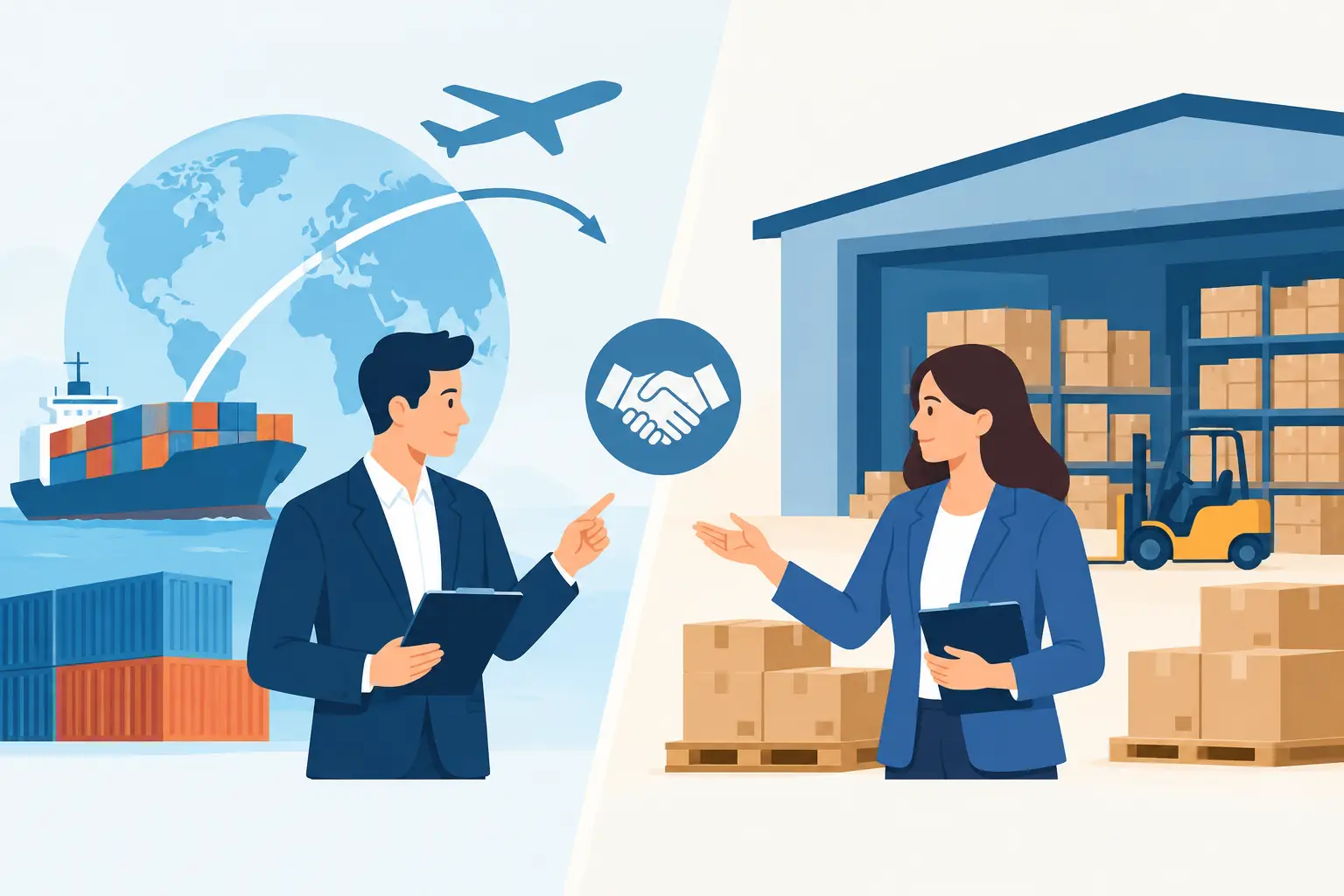
The simplest distinction is this: an importer is responsible for bringing goods into a market, while a wholesaler is responsible for making goods available to business customers within that market. One company can perform both functions. In fact, established trading companies often import, distribute, manufacture selected lines, and wholesale a broad assortment under one operating structure.
Where Each Business Adds Value
Importing creates value by connecting a local market with overseas production. An importer may identify a factory, develop a private-label range, secure exclusive distribution rights, or source a specific product that is not readily available locally. When the product lands, the importer has taken responsibility for the international portion of the journey.
That responsibility is substantial. Importers must understand shipment terms, foreign currency exposure, port procedures, tariffs, insurance, and regulatory obligations. Depending on the category, they may also need to meet safety, testing, packaging, registration, or labeling standards. Baby products, electrical accessories, cosmetics, cleaning products, and food-contact kitchenware can all require closer attention than a general commodity item.
Wholesalers create value through assortment, stock availability, and order efficiency. A retailer that needs stationery, household goods, party supplies, tools, luggage, and cleaning products does not necessarily want to negotiate with dozens of overseas factories or arrange multiple containers. A wholesale partner can consolidate those requirements into fewer orders and deliver a wider selection from available inventory.
This is particularly valuable for businesses that need regular replenishment. Rather than committing capital to a large import shipment of one product line, they can buy quantities aligned with store demand, seasonal activity, and available warehouse space. The unit price may be higher than a direct factory purchase, but the total commercial decision can still be stronger because the buyer reduces complexity, dead stock, and cash tied up in inventory.
Inventory Risk Is the Major Divide
The most significant commercial difference is often inventory risk. An importer commonly commits to factory minimums, container volumes, or large purchase orders before the goods arrive. If demand changes, the importer remains responsible for the stock, storage, financing costs, and eventual clearance strategy.
A wholesaler also carries inventory risk, but it spreads that risk across a customer base. Its purchasing and warehouse operation are designed to serve many buyers with recurring requirements. A well-managed wholesaler forecasts demand, maintains core lines, and keeps replacement stock moving through the business.
For a retailer or smaller distributor, buying from a wholesaler shifts much of the import and stocking burden upstream. This can protect working capital and support faster assortment changes. The trade-off is reduced control over product specifications, packaging, exclusivity, and sometimes pricing.
For a larger distributor with proven demand, direct importing can offer better landed-cost control and a stronger opportunity to build a proprietary range. It also requires disciplined forecasting, reliable customs support, storage capacity, and the ability to absorb delays or slow-moving stock. Lower factory pricing does not automatically mean lower business cost.
Pricing: Factory Cost Is Not Landed Cost
Buyers comparing supply options should look beyond the quoted product price. An importer evaluates landed cost, which includes the factory price plus freight, insurance, duties, customs charges, handling, inland transport, compliance costs, financing, and potential losses from damaged or delayed goods.
A wholesaler’s price includes its own sourcing, import, warehousing, administration, and margin. At first glance, this may appear less competitive than buying directly from a factory. Yet it can be commercially attractive when buyers need mixed categories, smaller volumes, immediate stock, or flexible repeat orders.
The right comparison is not simply importer price versus wholesale price. It is the cost of a complete, sellable product delivered when needed, in quantities the business can realistically turn over. A buyer should also consider the cost of missed sales if products are unavailable, as well as the cost of holding inventory that takes too long to sell.
Product Range and Order Flexibility
Importers often specialize by category, country of origin, supplier network, or brand. Their offering may be deep within a particular segment, such as beauty products, electrical accessories, or kitchenware. This specialization can be useful when a buyer needs a focused range, custom specifications, or a long-term direct sourcing program.
Wholesalers are often organized around breadth. They allow customers to build mixed orders across multiple everyday categories and brands. For general retailers, discount stores, traders, and regional distributors, this reduces supplier administration and allows purchasing teams to replenish several departments through one trusted account.
Order flexibility matters as much as assortment. A growing retailer may need small but frequent replenishment orders. A distributor supplying several locations may need pallet-level quantities across multiple product lines. An importer may be suitable for high-volume, planned purchases, while a wholesaler is often better placed for ongoing assortment management. The best choice depends on order frequency, warehouse capacity, sales velocity, and the buyer’s ability to forecast demand.
Compliance and Market Responsibility
When importing directly, the buyer has a closer connection to the legal and operational responsibility for the goods entering the market. Requirements differ by product type and destination. Documentation errors can delay cargo, create unexpected costs, or prevent products from being released for sale.
A reputable wholesaler provides an advantage here by supplying merchandise that has already entered its market through an established trading process. This does not remove every responsibility from the buyer, especially when goods are exported again or sold into regulated channels. It does, however, reduce the number of import-related tasks a buyer must manage for a local purchase.
For cross-border traders, the question becomes more detailed. If you are buying from a wholesaler in one regional hub and exporting to another country, you still need to understand the destination market’s documentation, labeling, and product requirements. A supplier with export experience can make this process more predictable by preparing commercial documents accurately and supporting repeat trade relationships.
Choosing the Right Supply Model
Direct importing is usually the stronger model when you have reliable volume, a clear product strategy, sufficient working capital, and the operational capability to manage international procurement. It is also appropriate when you need customized products, exclusive lines, or a private-label program that gives your business distinct market positioning.
Wholesale purchasing is often the stronger model when speed, assortment, and stock reliability matter more than complete control over each item. It suits businesses that want to test categories, broaden their shelves, replenish frequently, or serve customers without tying capital to full-container commitments.
Many successful businesses use both. They import their proven high-volume lines while purchasing complementary goods from wholesalers. This hybrid model can protect margin on core products while keeping the broader assortment responsive to changing demand.
For buyers seeking multiple product categories from a single trade partner, Fakhruddin General Trading combines long-established import, distribution, and wholesale capabilities with a broad portfolio built for recurring business supply. That structure can be especially practical for traders who need consistent access to varied merchandise without managing a separate import program for every category.
Questions to Ask Before You Buy
Before selecting an importer or wholesaler, start with the commercial facts: How quickly does the product sell? What quantity can your business safely hold? Do you need custom packaging or a recognized brand? Can your team manage freight, customs, and product compliance? What happens if demand drops by 30 percent after the order is placed?
Then assess the supplier relationship. Ask about stock availability, lead times, minimum order quantities, export documentation, replacement policies, and continuity of supply. A lower price has limited value if the supplier cannot support the repeat orders that keep your customers supplied.
The strongest supply decision is rarely based on one invoice. It is based on whether your partner helps you protect availability, manage capital, and build a product range your customers can rely on month after month.