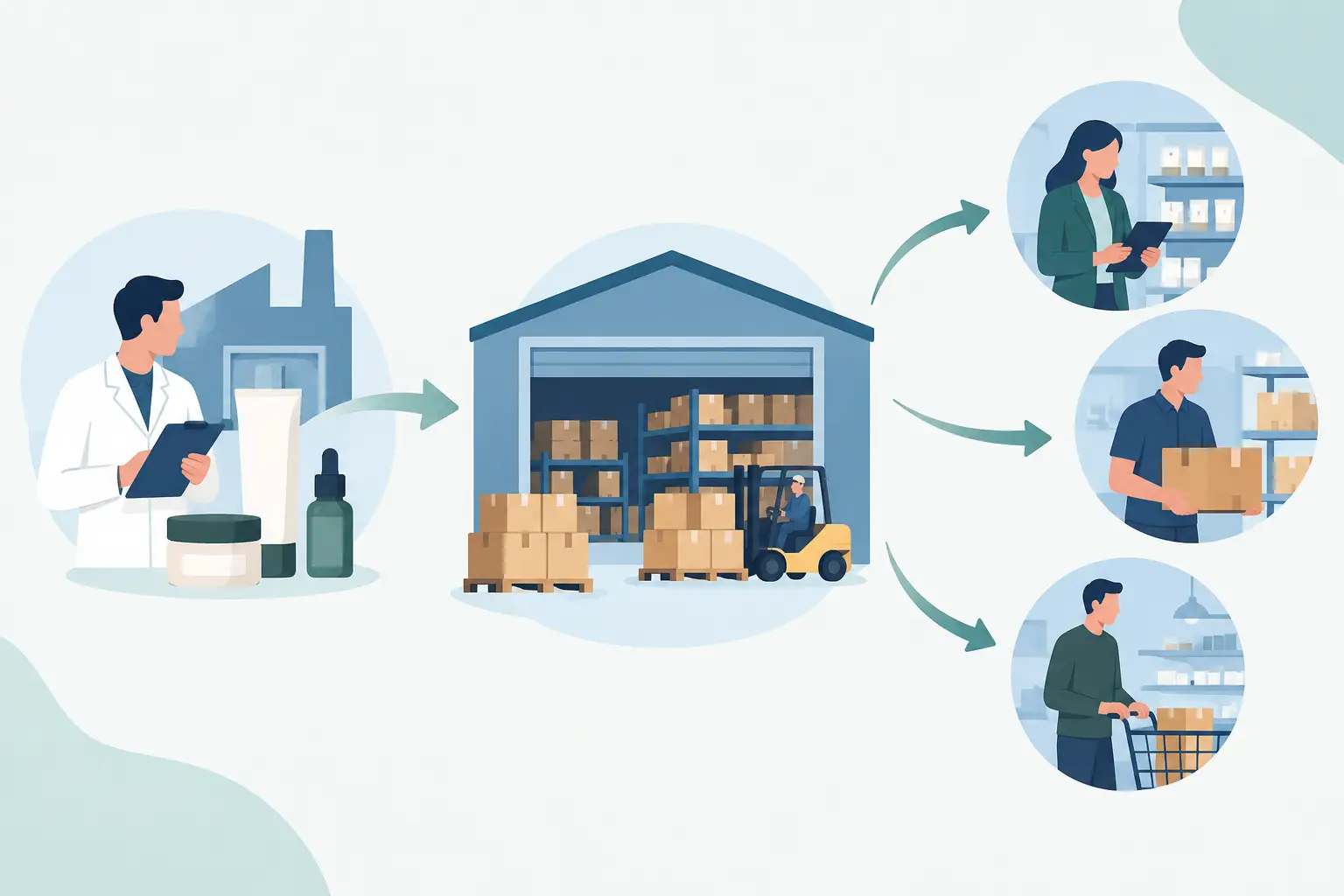

A container that looks profitable on paper can become expensive inventory if it reaches the wrong customer, at the wrong price, or after the selling season has passed. For wholesalers, distributors, and retailers, the question of what products sell best wholesale is not answered by a single trend. The strongest products combine repeat demand, practical value, dependable supply, and enough margin to support every business in the distribution chain.
The most successful wholesale assortment is usually built around everyday categories that customers recognize and repurchase, supported by selective seasonal and impulse-led lines. The goal is not simply to buy what is popular. It is to stock merchandise that moves consistently in your target market and can be replenished without disrupting your cash flow or customer relationships.
What Products Sell Best Wholesale for Consistent Demand?
Products with daily or frequent household use tend to create the most reliable wholesale turnover. They solve routine needs, suit a wide range of customers, and are less dependent on short-lived social media trends. This makes them particularly valuable for traders supplying supermarkets, discount stores, independent retailers, pharmacies, gift shops, and general merchandise outlets.
Cleaning products, household essentials, kitchenware, stationery, personal care items, baby products, and basic tools often perform well because consumers return to these categories throughout the year. A retailer may not reorder decorative merchandise every month, but it is far more likely to replenish cleaning supplies, food-storage items, school essentials, and everyday personal care products.
Within these categories, the best sellers are often simple items with a clear purpose. Storage containers, mops, brushes, sponges, food wraps, drinking bottles, notebooks, pens, batteries, hand tools, and travel accessories may not appear glamorous, but they have broad appeal and are easy for retail customers to understand. For a wholesale buyer, this reduces the risk of having to educate the market before inventory begins to move.
Household and Cleaning Products
Household and cleaning merchandise remains a dependable choice because it is useful across income levels and retail formats. Buyers can build a balanced range around cleaning tools, laundry accessories, kitchen cleaning items, storage solutions, and basic home organization products.
The trade-off is competition. Common products can be widely available, so success depends on a combination of competitive pricing, consistent quality, practical packaging, and reliable stock availability. A low unit price alone is not enough if the product fails to meet customer expectations or cannot be reordered when demand increases.
Kitchenware and Food Storage
Kitchenware performs well in wholesale because it serves both replacement demand and household formation. Consumers regularly purchase items such as food containers, lunch boxes, utensils, cookware accessories, bottles, and kitchen organizers. These products also work across many retail environments, from value stores to specialized home goods outlets.
A smart assortment includes entry-level essentials alongside a smaller number of higher-value items. Entry-level products generate volume, while better-finished or more specialized goods can improve average order value. Buyers should pay close attention to material quality, food-safety requirements, packaging durability, and whether product sizes match local household needs.
Beauty, Personal Care, and Fragrance
Beauty and personal care products can offer attractive repeat purchasing, especially when the range includes accessible price points and familiar product formats. Brushes, grooming tools, hair accessories, cosmetics accessories, personal hygiene items, and perfumes can create regular reorder opportunities for retailers.
This category requires more care than basic household goods. Product presentation matters, and buyers must consider local regulations, labeling, shelf life, and customer preferences. Fragrance and beauty lines also depend heavily on trust. Clear product information, dependable quality, and stable supply help retailers sell with confidence.
High-Turnover Categories That Benefit From Seasonality
Seasonal demand can be highly profitable when it is planned rather than guessed. Party supplies, school stationery, travel accessories, gift items, sports goods, and selected outdoor products often produce strong sales during specific periods. The opportunity is real, but the buying window is shorter.
Stationery is a clear example. Back-to-school demand can generate large orders for notebooks, writing instruments, folders, art supplies, and school accessories. The strongest buyers begin forecasting early, secure inventory before peak demand, and avoid overcommitting to designs that may only appeal for one season.
Party supplies follow a similar pattern. Balloons, tableware, decorations, wrapping materials, and celebration accessories can move quickly around holidays, events, and family occasions. These lines are especially useful for retailers that need low-ticket products with strong visual appeal. However, buyers should maintain a core range of general celebration items rather than relying entirely on a single holiday theme.
Travel and luggage accessories may gain momentum before vacation periods, while sports goods can increase around school terms, outdoor seasons, and local events. Seasonal categories work best when paired with evergreen merchandise. That balance helps maintain sales after the peak period has ended.
How to Choose Wholesale Products That Will Sell
Demand is only one part of the decision. A product can sell quickly yet still produce weak returns if freight costs, damaged stock, discounts, or slow replenishment reduce the margin. Before placing a volume order, evaluate the product as a complete commercial proposition.
Start with the customer. A discount retailer may prioritize fast-moving essentials and value packs, while a gift or lifestyle store may need better presentation, distinctive designs, and products with higher perceived value. Importers and distributors should also consider the resale channels available to their customers. An item that works in a large supermarket may not be suitable for a small convenience store with limited shelf space.
Next, assess the total landed cost rather than the factory or wholesale price alone. Include shipping, customs duties, storage, handling, insurance, breakage risk, and any required compliance documentation. Bulky, low-value goods can become less profitable once freight is added. Smaller products with reliable turnover may offer a stronger return per cubic foot of warehouse space.
Also examine reorder potential. Products that generate repeat orders help stabilize revenue and reduce the effort required to continuously find new customers. This is why everyday consumer goods often form the foundation of a sustainable wholesale business. A broad product range can then give customers reasons to add complementary lines to the same order.
The Importance of Assortment, Not Just Individual Products
The best wholesale businesses do not depend on one winning item. They create a product mix that helps customers buy more efficiently. A retailer sourcing kitchenware may also need cleaning tools, storage products, party supplies, stationery, and personal care accessories. Offering related categories through one supplier can reduce procurement complexity, consolidate shipping, and improve order value.
For this reason, broad assortment is a commercial advantage when it is supported by organized stock management. Too much variety without availability creates frustration. Too little variety can send customers to multiple suppliers. The right balance is a dependable core range, refreshed with relevant new products and seasonal opportunities.
Fakhruddin General Trading supports this approach through a wide wholesale portfolio spanning household, baby, beauty, cleaning, kitchenware, luggage, party supplies, perfumes, stationery, tools, electrical accessories, and other high-demand categories. For buyers managing diverse retail or distribution accounts, sourcing across categories from an established trading partner can simplify replenishment and support more consistent supply planning.
Products That Need Extra Caution
Not every popular product is a strong wholesale investment. Trend-led items can create fast sales, but they can also lose relevance before inventory arrives or before retailers complete their sell-through. Products with unusually high return rates, fragile construction, complicated warranties, or uncertain compliance requirements deserve closer review.
Electronics accessories and tools can be profitable, for example, but quality consistency is essential. A low-cost item that generates complaints can damage the retailer’s reputation and eliminate the margin gained at purchase. Similarly, products with recognizable branded elements require careful attention to authorization and market rules.
Private-label products can offer greater control over pricing and differentiation, but they require commitment to packaging, quality standards, minimum order quantities, and market positioning. They are most effective when buyers already understand their customer base and can support repeat volume.
Build Around Products Your Customers Can Reorder
The products that sell best wholesale are usually not the loudest or newest products in the market. They are the goods that customers need, recognize, trust, and reorder. Build your range around everyday demand, use seasonal lines with discipline, and assess each purchase through landed cost, available stock, quality, and resale fit. A dependable product range gives your customers a reason to return, and that is where long-term wholesale growth begins.